ai
The Best Knowledge Agent Mostly Stays Quiet
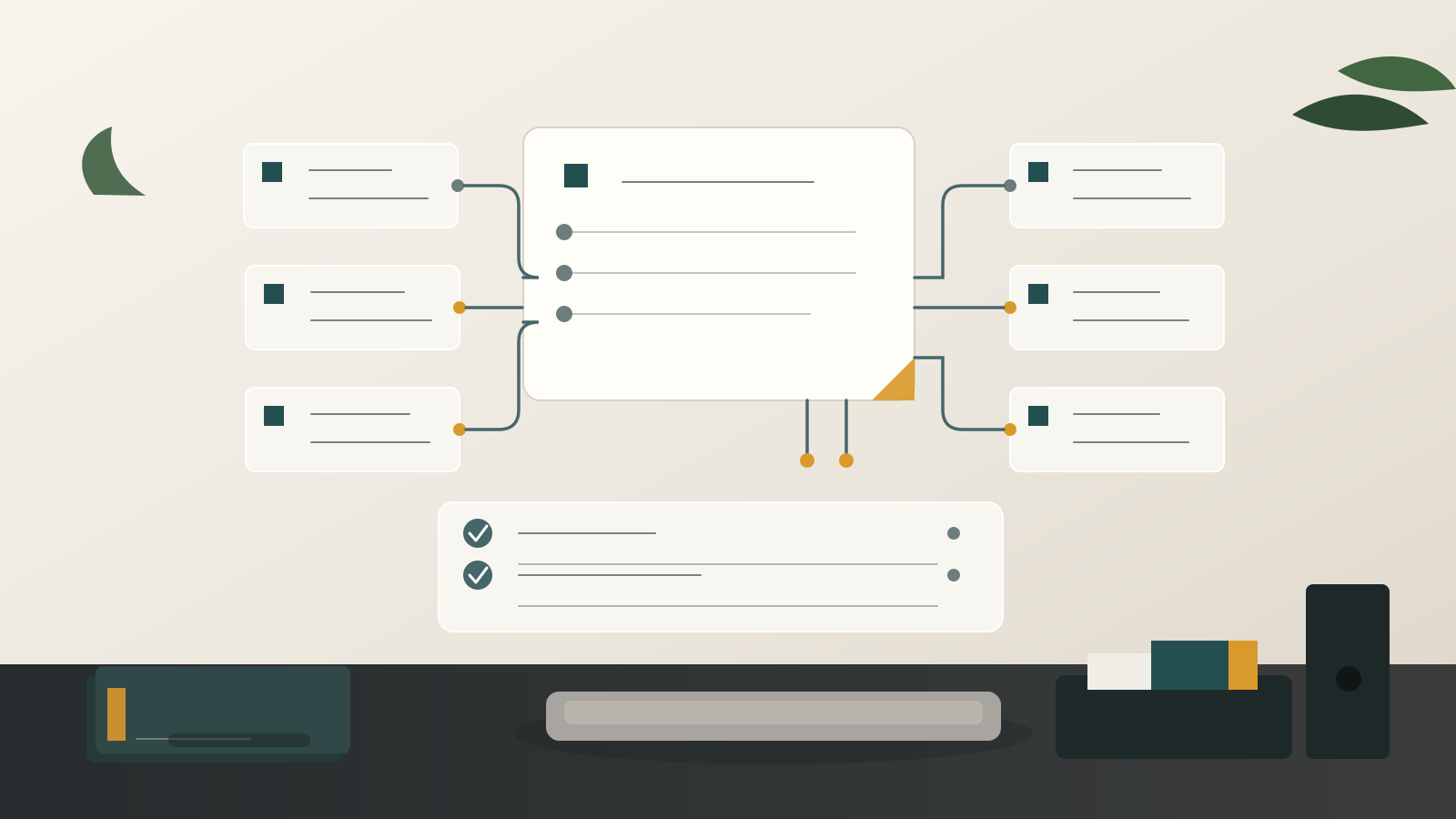
I built an agent for a Teams help channel that answers from the wiki, fills documentation gaps with human approval, and otherwise says nothing.
So your team can get on with the proper work.
No IT department needed. No technical background required.
Ask about a Process Friction Review →If your business has grown but the way it runs hasn’t kept pace, that’s usually where I come in. That might mean work tracked in spreadsheets, information buried in email chains or software that’s barely being used. I work out what needs changing, then help you design or build the right fix.
I built an agent for a Teams help channel that answers from the wiki, fills documentation gaps with human approval, and otherwise says nothing.
AI automations need to distinguish an actionable result, an evidenced no-op and an unknown run state—and leave a receipt when they produce nothing.
Built-in Codex memory is useful for background context. For operational lessons, I want evidence, scope, curation, and a repeatable project setup.
Agentic loops are useful when knowledge work has something to check against: sources, criteria, retries, and a clear stop point.
Anthropic launched Claude Fable 5 today. It's the most powerful model they've made publicly available, and it carries a designation that's worth understanding before you just start using it. What Mythos Is
Two AI products from two different companies found the same interaction pattern independently. That usually means it's right.